

Training Articles
Three Warm-Up Methods
for Lifters Who Hate Warming Up
If you hate warm-ups, stop doing random reps and start doing warm-ups that move the needle.
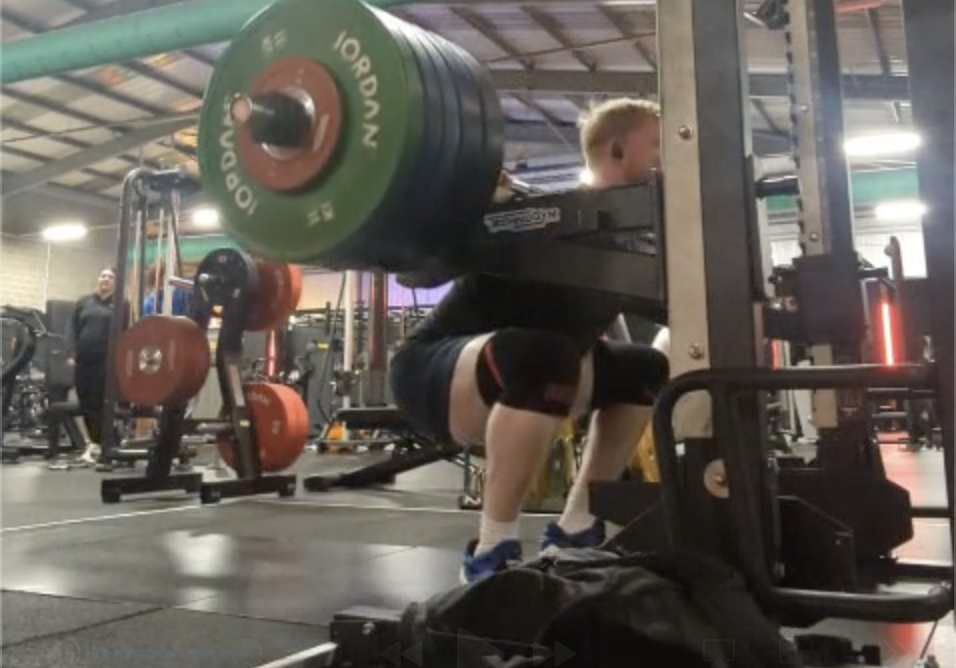
Author: Adam Johnston
Reading Time: 6–7 minutes
Date: 25th November 2025
Tags: #Training #Strongman #OlympicWeightlifting #Strength #FrontSquats #PullUps #Warm-Ups
Key Points:
Warm-ups shouldn’t be a million reps, take an age drain your energy.
You can use constraints to create a warm-up that actually builds skill.
Programming your warm-up removes guesswork and stops you skipping it or under warming up.
These methods carry over directly into strength, power, and technical efficiency.
Some lifters love warm-ups. I’m not one of them.
And if you’re reading this, I’m guessing you’re the same, you want to get to the real work without wasting energy doing endless ramping sets.
But if you train heavy and want to stay healthy, you can’t skip the warm-up. The trick is to make it useful, quick, and built around the work you need to do.
That’s why I program warm-ups like the methods in this article.
Here are the three methods I use with lifters who want to get straight to the meat and potatoes while still moving well, hitting positions, and priming power.
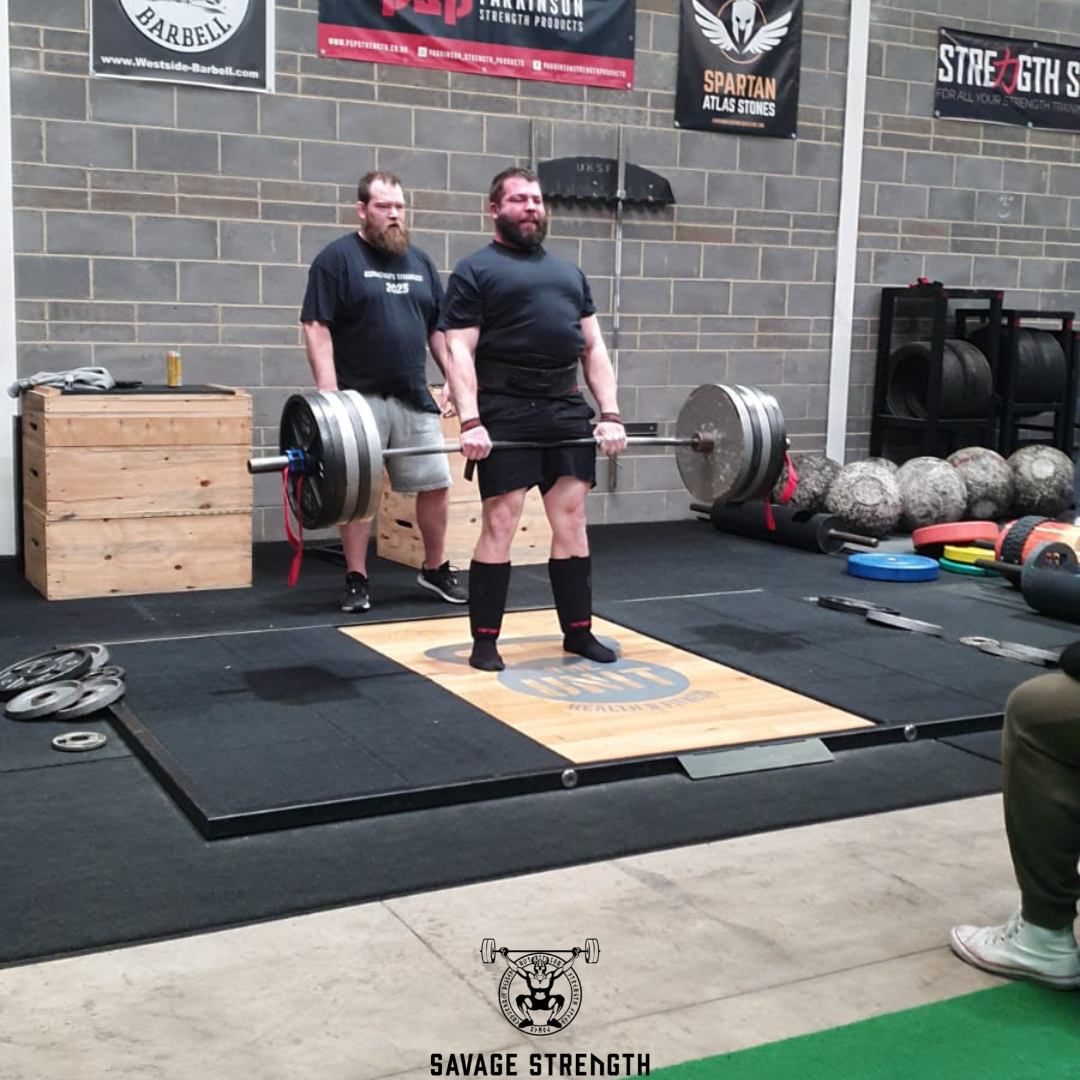
My Favourite Three Warm-Up Methods
1. Load-Limited
This is for lifters who want purpose behind their warm-up sets.
You pick a similar movement that looks like your main lift, ideally one that will improve or force better technique, but that limits the load you can use, and you run it through a simple relative-intensity progression.
Think of it as a warm-up that doubles as a technical primer.
Examples:
Muscle Clean → Power Clean
Front Squat → Back Squat
Strict Log → Log Push Press
Example 5-Week Progression
Week 1: Work to a heavy triple
Week 2: 4×3 @ 80–85% of that heavy triple
Week 3: 4×3 @ 85–90%
Week 4: 4×3 @ 75–80%
Week 5: Repeat — work to a new heavy triple
Why it works:
You warm up patterns, not random joints.
You also build technical strength at a position or quality you normally rush past when ramping.
2. Constraint-Limited
This is my favourite for lifters who need discipline and control before they go heavy.
Instead of adding load, you add a movement constraint that forces better mechanics.
Common constraints:
Pauses
Slow eccentrics
Tempo variations
Holds in weak positions
Example Progression:
3 sets × 3–5 reps @ 50–60%
Followed by 2 sets × 2–3 reps @ 60–70%
Why it works:
You’re not chasing fatigue, you’re looking to prime position and awareness.
This builds stability, tightness, and timing without frying you before the top sets.
3. EMOM
This one is simple, efficient, and great for finding rhythm.
EMOMs help athletes get into a flow state, dial in speed, and groove the movement before loading it heavy.
Example:
EMOM 6 × 1–2 reps @ 50–70%
You can add a constraint (pause, tempo, positional cue) if needed, but the real value here is the cadence.
You’re hitting reps on the minute, building confidence without clutter.
Why It Works:
The EMOM works because the timing hits a sweet spot for your nervous system.
Sixty seconds is long enough to recover between singles or doubles, so bar speed and technical quality stay high, but not so long that neural readiness drops off. That consistent rhythm also helps you slip into a flow state.
You repeat the same movement at predictable intervals, which improves coordination, reinforces timing, and reduces the mental clutter that usually shows up in warm-ups.
Why These Warm-Ups Work
Most warm-ups are either too long or too pointless, but these methods avoid both problems:
They respect your time.
They’re built around your weaknesses.
They improve the lift you’re about to do.
They raise readiness without draining performance.
Warm-up sets are part of training, but when you make them intentional, they stop feeling like chores you have to do before you get to your working sets and they start feeling like productive.
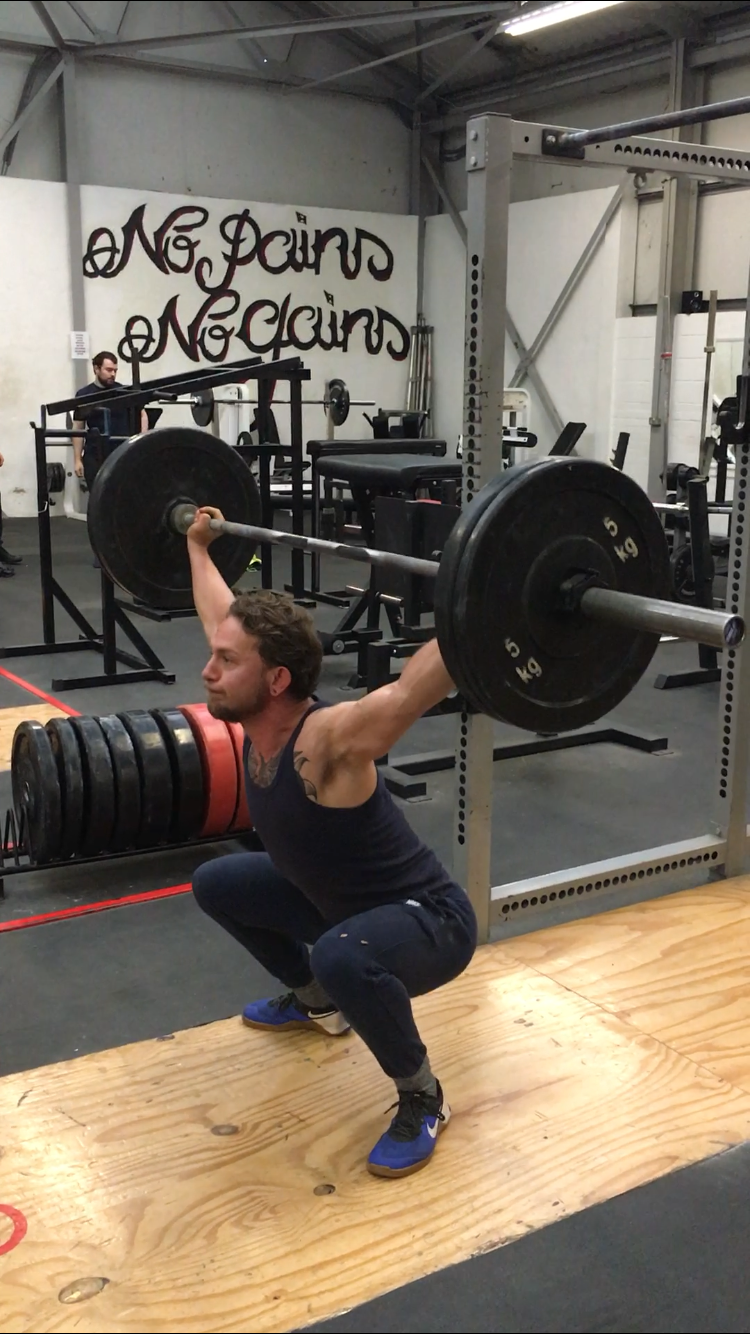
Practical Application
Pick one method and stick to it for 4–6 weeks.
Match the warm-up to the main lift - don’t overcomplicate it.
Never let warm-ups fatigue you before the actual working sets.
Track them like real training — they should progress too, even if it’s just noting down how it felt on a technical level.
Short, sharp, effective, which should be the point.
Final Thoughts
You’re not here to waste time and neither am I.
If you want warm-ups that prepare you to lift, stop making them an afterthought and start programming them with intent.
And before anyone gets clever, I’m not telling you to sack off your general / movement prep or your RAMP-style warm-up.
You still need to get your body temperature up, joints moving, and positions checked before you warm up specifically. These methods aren’t replacements for that.
They’re options for how you bridge the gap between general prep and your working sets. And if you run RAMP, think of these as a solid option to check the ‘P’ or Porentiate.
The part that gets you ready to perform.

About the author
Adam is a strength coach and the Head Coach of Savage Strength.
He helps lifters get brutally strong through simple, effective training with a speciality in Olympic Weightlifting and Strongman.
If you want coaching tailored to you and your goals, let’s get started with personalised programming designed to get you stronger.