

Training Article
EMOMs for Skill: How to Use EMOMs to Improve Movement Quality
Most people use EMOMs because they’re simple and a time-efficient way to do conditioning.
But when EMOMs, when they are programmed a certain way, are one of the best tools you have for improving movement skill.
In this article we’ll explore how to use them.
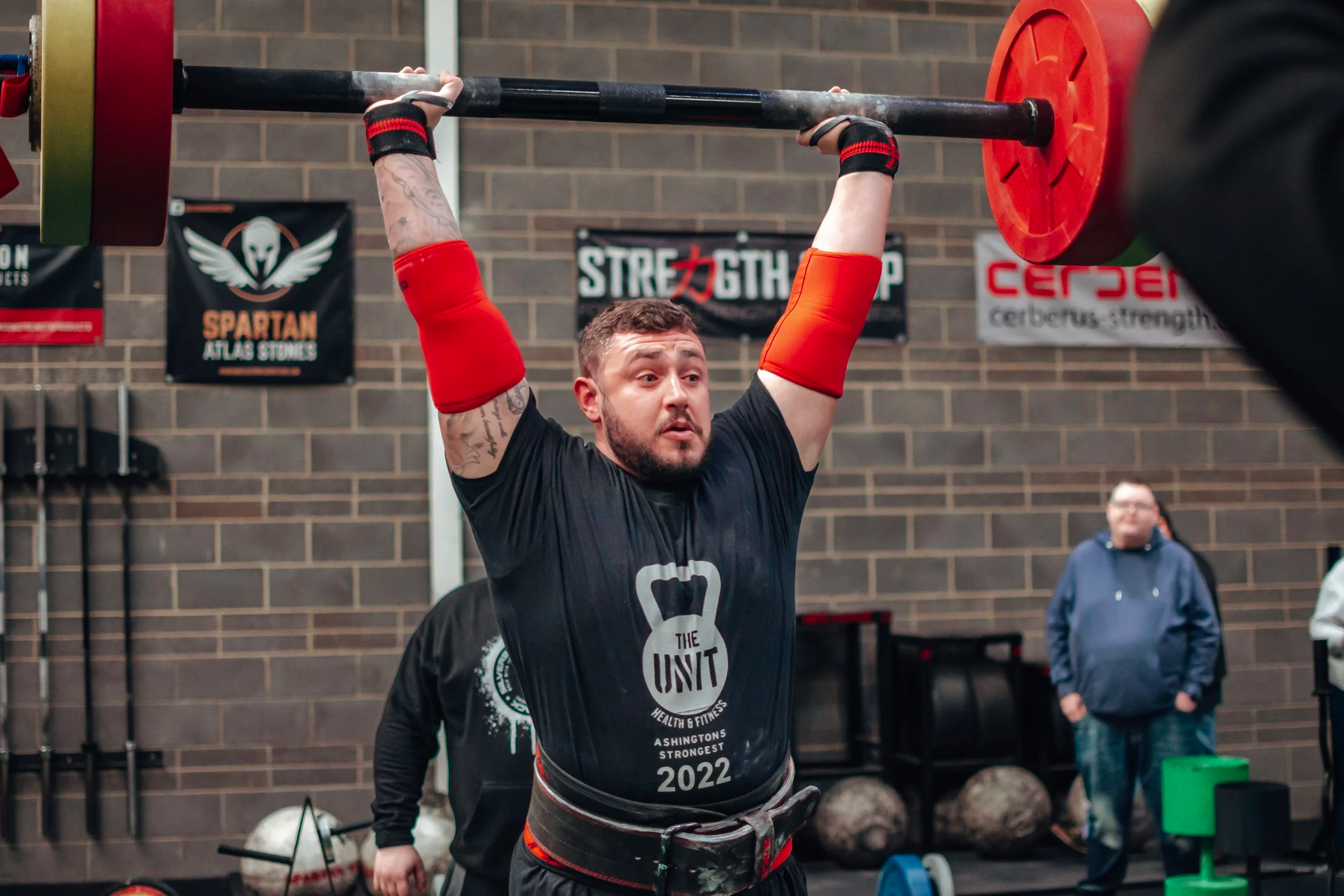
Author: Adam Johnston
Reading Time: 6 to 7 mins
Date: 29th January 2026
Tags: #Training #Strongman #OlympicWeightlifting #Strength #EMOMs #Skill Development #StrengthTraining #Coaching
Key Points:
The EMOM structure is a way to distribute rest and volume
EMOMs can allow you to use neural feedback without letting fatigue creep in and destroy technique
Different EMOM structures suit different movements and phases
Quality should always dictate load, not the other way around
Why EMOMs Work for Skill
Every Minute, On The Minute.
From a motor learning standpoint, EMOMs sit in a sweet spot. You get enough rest to maintain output and positional integrity, but not so much that the nervous system ‘resets’ between reps.
Your body is really good at self organisation when given the chance, so with the feedback from the previous lift is still there, your body can make the adjustments needed.
That rhythm of an EMOM also helps make it easier to slip into a flow state, which great for improving technique.
Progression 1: Heavy Skill EMOMs
This approach works well with explosive movements, as back-off work after heavy lifts, or as standalone skill work during heavier phases.
The structure reduces volume as intensity rises, keeping quality high as loads increase. After roughly half to two-thirds of the total sets, load can be nudged up if 90% of lifts have been made.
This progression might look something like:
Week 1: EMOM 12x1 @80%
Week 2: EMOM 10x1 @83%
Week 3: EMOM 8x1 @85%
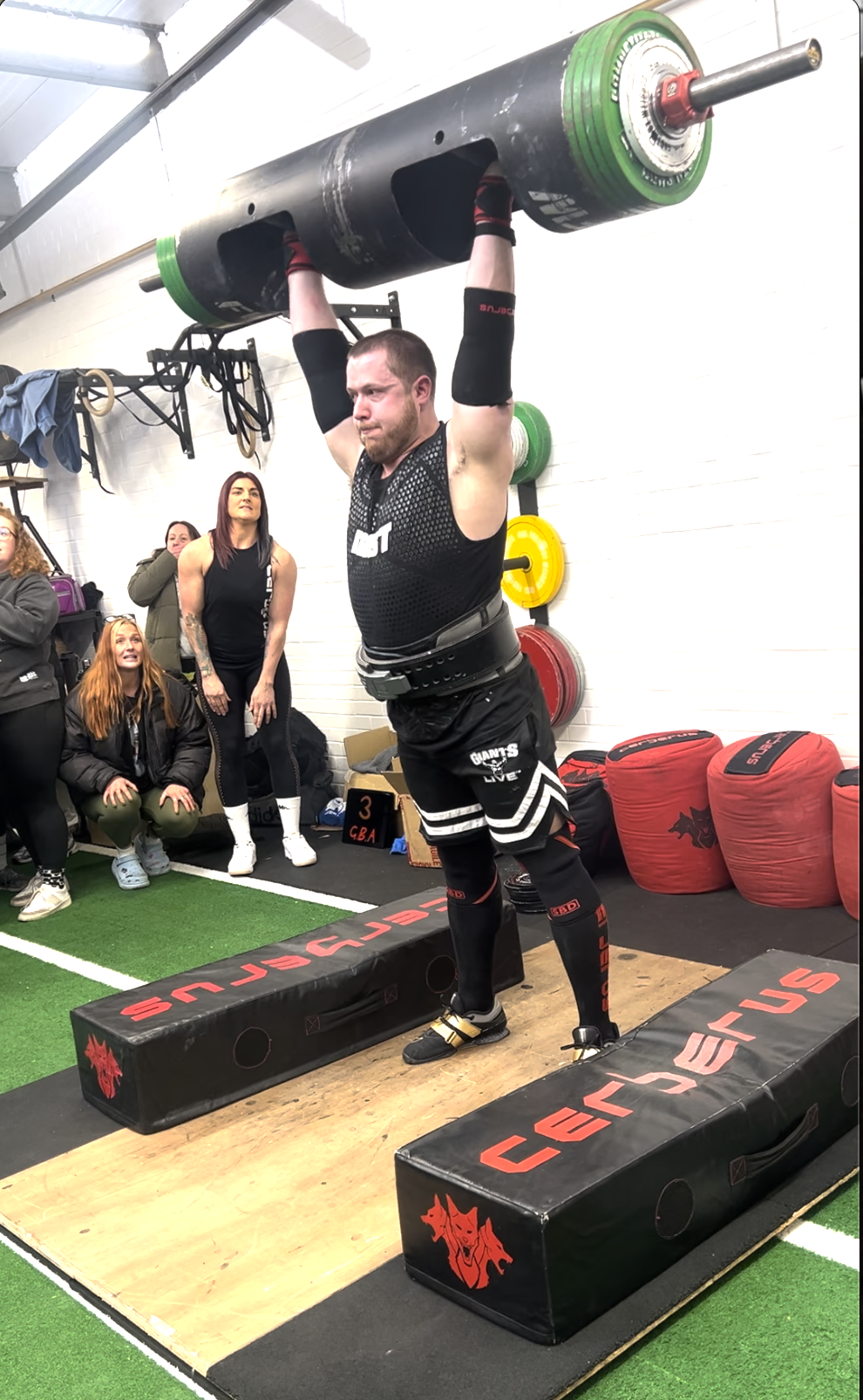
Progression 2: Auto-Regulated Skill EMOMs
This version works best in lighter phases and for technique building.
Instead of pre-loading intensity jumps by week, the load responds to performance. Make reps? You go up. Miss or lose position? You go down. Simple.
The longer durations here aren’t about suffering. They’re about accumulating high quality reps. The moment technique degrades, the system self-corrects.
This progression might look something like:
Week 1: EMOM 12x1@65%
Week 2: EMOM 12x1@70%
Go up 3% every 3 makes & down 5% every miss. Repeat the cycle for 15, 18, 21 & 24 minute EMOMs.
Progression 3: Speed-Focused EMOMs
This progression suits slower movements and conjugate-style speed work.
Despite the name, speed is secondary and positions come first. Strength expresses itself through the positions you train, not how fast you butcher them.
Sets act as a minimum, not a target. If bar speed improves and positions stay dialled in, the EMOM gets elongated until quality or speed drops for two sets in a row.
That rule alone saves lifters from doing a lot of pointless work, but allows you to take advantage of the good days.
This progression might look something like:
Week 1: EMOM 12x3 @60%
Week 2: EMOM 10x3 @65%
Week 3: EMOM 8x3 @70%
I used triples in the example progression but that needs modifying depending on movement and usually go:
Squat: Doubles
Bench: Triples
Deadlift: Singles
Practical Application & Takeaways / How to Run It
You can apply EMOMs directly to competition lifts to raise overall movement skill, or to close variations that expose weaknesses without the noise of fatigue bringing the movement pattern down and nullifying it’s effectiveness and they’re especially useful in phases where you want to maintain intensity while keeping joint stress, volume, and recovery in check.
If you can’t repeat a lift to a high standard every minute, the load is too heavy for the purpose you’re trying to make it serve, because what I’m describing isn’t a Crossfit style fill every minute of the EMOM with something in the name of fitness. It’s a tactic to improve efficiency and technique.
Final Thoughts
EMOMs aren’t magic.
They’re just structured in a way to leverage what you already have. They expose poor habits, reward consistency and allow you to tap into a state thats prime for learning. If you care about how your lifts look and feel, EMOMs might deserve a place in your training.

About the author
Adam is a strength coach and the Head Coach of Savage Strength.
He helps lifters get brutally strong through simple, effective training with a speciality in Olympic Weightlifting and Strongman.
If you want coaching tailored to you and your goals, let’s get started with personalised programming designed to get you stronger.