

Training Articles
a Good Approach to Conditioning for Strength Athletes
When strength athletes think about cardio, they look at it like it’s a separate sport.
Spreadsheets. Heart-rate zones. Fancy tests. Endless data. It’s why most end up avoiding it.
Conditioning feels complicated, so it gets skipped. And then people wonder why their training feels harder than it should, why their recovery sucks, and why their health quietly slides backwards.
Here’s the reality.
Author: Adam Johnston
Reading Time: 5 mins
Date: 8th January 2026
Tags: #StrengthTraining #Conditioning #Strongman #Powerlifting #Weightlifting #Health #Performance
If you want to get stronger and stay that way, conditioning needs to exist, but only to serve your lifting and your health. Not to replace them.
You don’t need fancy testing protocols. You don’t need daily misery sessions. You need a simple benchmark and a basic structure you’ll actually stick to.
Key Points:
Conditioning isn’t a separate sport for strength athletes
You only need one simple benchmark to track progress
Two short sessions per week is enough
Better conditioning supports lifting, recovery, and long-term health
For strength athletes, conditioning has one job:
Support your training and keep you healthy enough to train for a long time.
That’s it.
It’s not there to turn you into an endurance athlete. It’s not there to dominate your week. And it definitely doesn’t need to eat into your best lifting sessions.
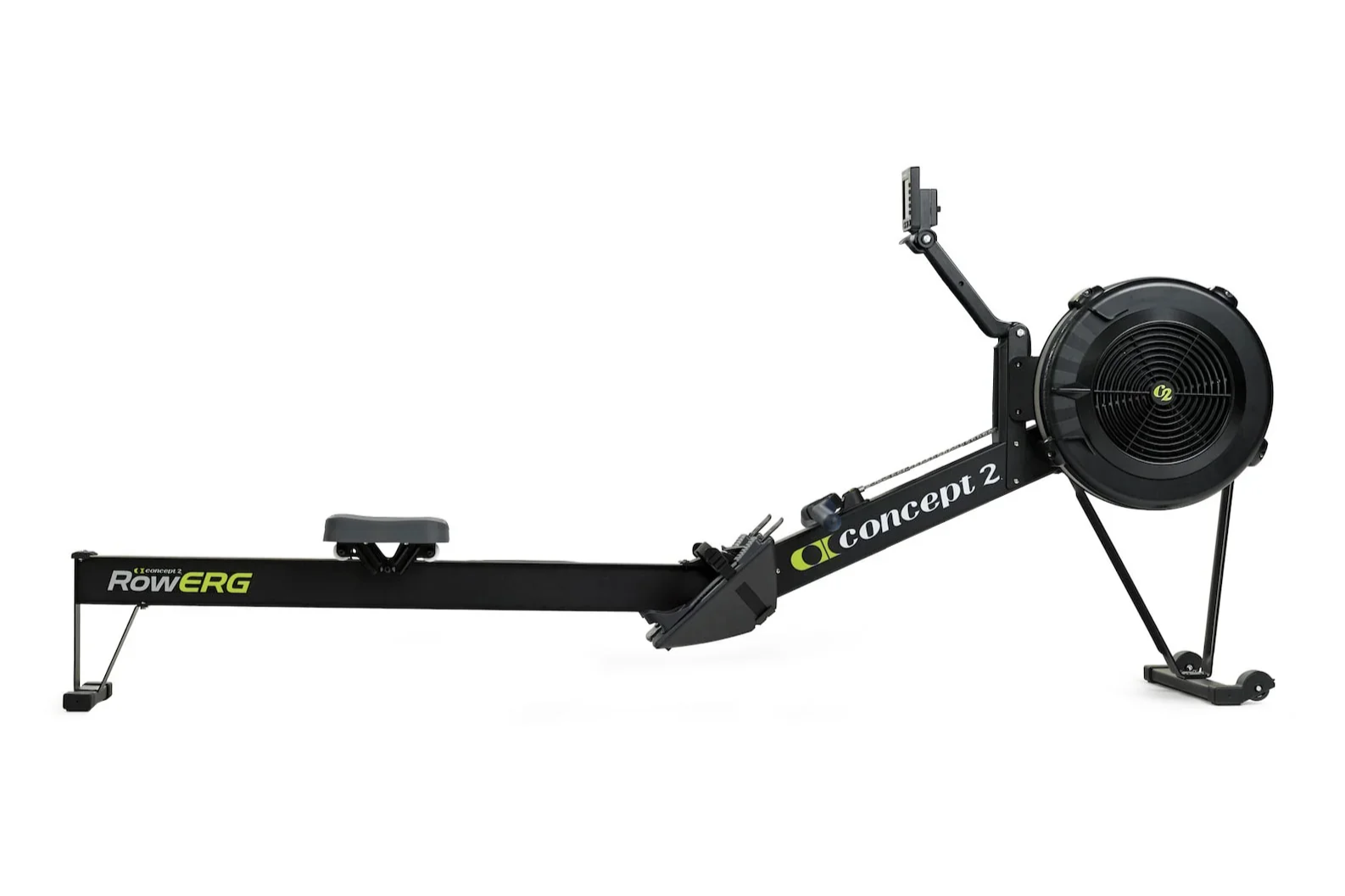
The simplest benchmark I use is a 2km effort on a Rower or SkiErg.
Why?
It’s simple
It’s repeatable
It’s brutally honest
Once you’ve got a benchmark, conditioning only needs to happen twice per week.
Not 45-minute slogs that drain you.
Not daily sessions that wreck your legs.
Two short, focused efforts.
Practical Application & Takeaways / How to Run It
Session One: Hard and Short
This is where you earn your stripes.
Examples:
500m repeats
1km efforts
Tabata-style intervals
The goal is simple: breathe hard, work hard, finish knowing you’re not as fit as you thought.
Short. Sharp. Uncomfortable.
Session Two: Longer and Easier
This is the one most people avoid — not because it’s hard, but because it’s boring.
Examples:
2km steady
3km steady
5km steady
Pick a machine that’s kind to your joints.
Rowers, SkiErgs, bikes all work.
If you’re using a bike, double the distance to get a similar work time.
Everything except the 5km should take between 4 and 15 minutes and even the 5km shouldn’t take much longer than that, even if you’re unfit.
That’s it.
Around 30 minutes per week, split across two sessions, so don’t tell me you don’t have time, because you’re probably just avoiding it. And if time really is tight, drop some of the low-value lifting fluff. Those last four isolation sets aren’t doing much for your strength anyway.
Final Thoughts
Now that you’ve read this article, this is what I want you to do next:
Test a 2km this week on the bike or rower.
Actually do the conditioning work laid out in this article for 4–6 weeks
One short, hard session
One longer, easier session
Retest your 2km after the time has passed then get back to me.
Then repeat it trying to beat the times or outputs on each of the individual workouts you did, because consistency and progression is important. If your conditioning improves, your training and recovery will improve.
Conditioning doesn’t need to be clever. It just needs to be done. Treat it as support work, not a second sport. Keep it short, keep it consistent, and stop overthinking it.
Do the work. Breathe hard. Get fitter. And Lift better because of it.

About the author
Adam is a strength coach and the Head Coach of Savage Strength.
He helps lifters get brutally strong through simple, effective training with a speciality in Olympic Weightlifting and Strongman.
If you want coaching tailored to you and your goals, let’s get started with personalised programming designed to get you stronger.